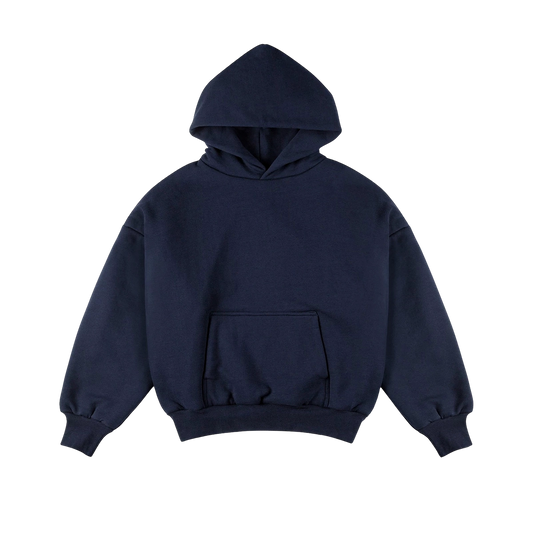
Cost per wear: Why a CHF 129 hoodie is cheaper than a CHF 40 hoodie
Contents
A closet full of clothes and still nothing to wear. Many of us are familiar with this dilemma. Affordable trendy items often lose their appeal after a short time: The cheap hoodie loses its shape after a few washes, the seams come undone. In the end, you keep buying more. It's a vicious cycle.
But the true price of a garment isn't on the label. It's revealed in the cost per wear. In this article, we'll use a simple calculation to show why investing in a durable premium hoodie is the smarter and more cost-effective decision in the long run.
The formula that revolutionizes your wardrobe
In the fashion world, experts use the "cost per wear" (CpW) metric to assess the true value of a garment. The calculation is simple:
Purchase price ÷ number of wears = cost per wear
This simple calculation will help you shop more consciously and shift your focus from short-lived trends to real, long-lasting value.
The hard numbers: Fast Fashion vs. Slow Fashion
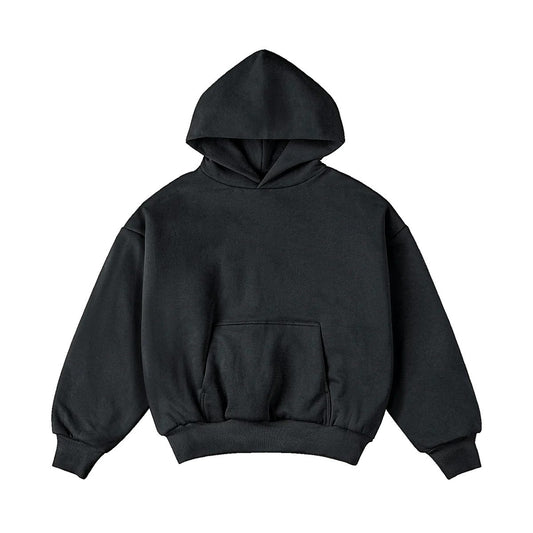
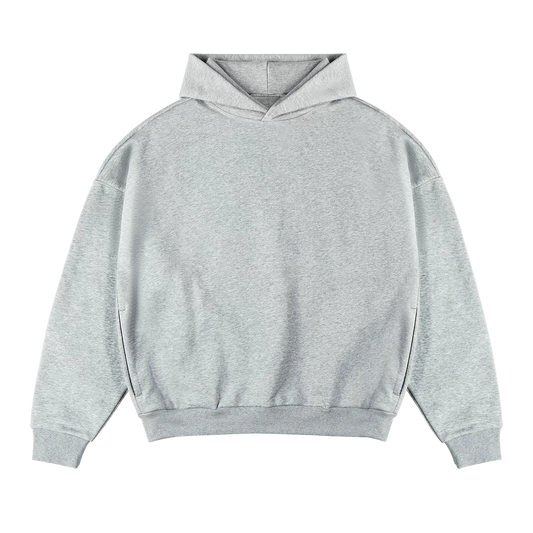
Let's compare a typical cheap sweater with a premium hoodie from gradualbasics.
The cheap fast-fashion hoodie
- Purchase price: CHF 40
- Quality: Thin fabric, basic workmanship.
- Lifespan: At a generous estimate, it lasts 30 uses before it is worn out.
- Cost per wear: CHF 1.33
The high-quality gradualbasics hoodie
- Purchase price: CHF 129
- Quality: Heavy fabric, sturdy seams, built to last. See our quality standards.
- Lifespan: For the calculation, we assume 200 uses.
- Cost per wear: CHF 0.65
Result: The premium hoodie is more than twice as affordable per use. Quality pays off.
Calculate it yourself: Your "cost per wear" calculator
Enter the values for an item of clothing you own or want to buy to see the true cost.
More than just money: The hidden value of quality
Financial aspects are convincing, but high-quality clothing offers even more advantages:
1. Sustainability: A small purchase with a big impact
Every long-lasting garment means less waste and lower resource consumption. According to the Ellen MacArthur Foundation (2017), the textile industry's greenhouse gas emissions would be 44% lower if clothes were worn twice as often on average. Your choice of longevity is a direct contribution to combating the throwaway mentality. Read more about this in our article on the costs of fast fashion.
2. Time savings: Less shopping, more life
Choosing quality saves you from constantly buying replacements and frustrating time spent in front of your closet. Instead of sorting out broken items, you rely on tried-and-tested basics that always fit and look good. This leaves you with more time for the things that really matter.
3. Style Confidence & Emotional Longevity
A high-quality hoodie quickly becomes a favorite. It gives you the security of being well-dressed every day. Experts call this "emotional longevity": You develop a bond with the piece because it's reliable and you feel comfortable in it. Your wardrobe consists of select pieces rather than short-lived, random purchases, which strengthens your personal style.
Conclusion: Invest in yourself and your style
Durable premium clothing may seem more expensive at first glance, but the cost per wear calculation proves otherwise. What you invest in quality today will pay off tomorrow, for you and the environment. View your closet as a collection of investments, not a collection of disposable items.
Start consuming more consciously today. Discover our philosophy of longevity.
Discover our philosophyFrequently asked questions about cost per wear
What does "cost per wear" mean?
Cost per wear (CpW) is a formula you can use to calculate the true price of a garment. You simply divide the purchase price by the number of times you wear it. A more expensive but durable item often has a much lower CpW than a cheap fast-fashion item.
Is an expensive hoodie really cheaper?
Yes, in the long run. A CHF 129 premium hoodie that you wear over 200 times will cost you only CHF 0.65 per use. A CHF 40 cheap hoodie that you only wear 30 times will cost you CHF 1.33 per use. So, quality is the smarter financial decision.
How does buying durable clothing help the environment?
Every durable garment reduces textile waste and the need for new production, saving water, energy and CO2. If clothes were worn twice as often on average, the textile industry's greenhouse gas emissions would be 44% lower, according to the Ellen MacArthur Foundation (2017).